Rehearsing urodynamics before the real patient
A Waxeye case study
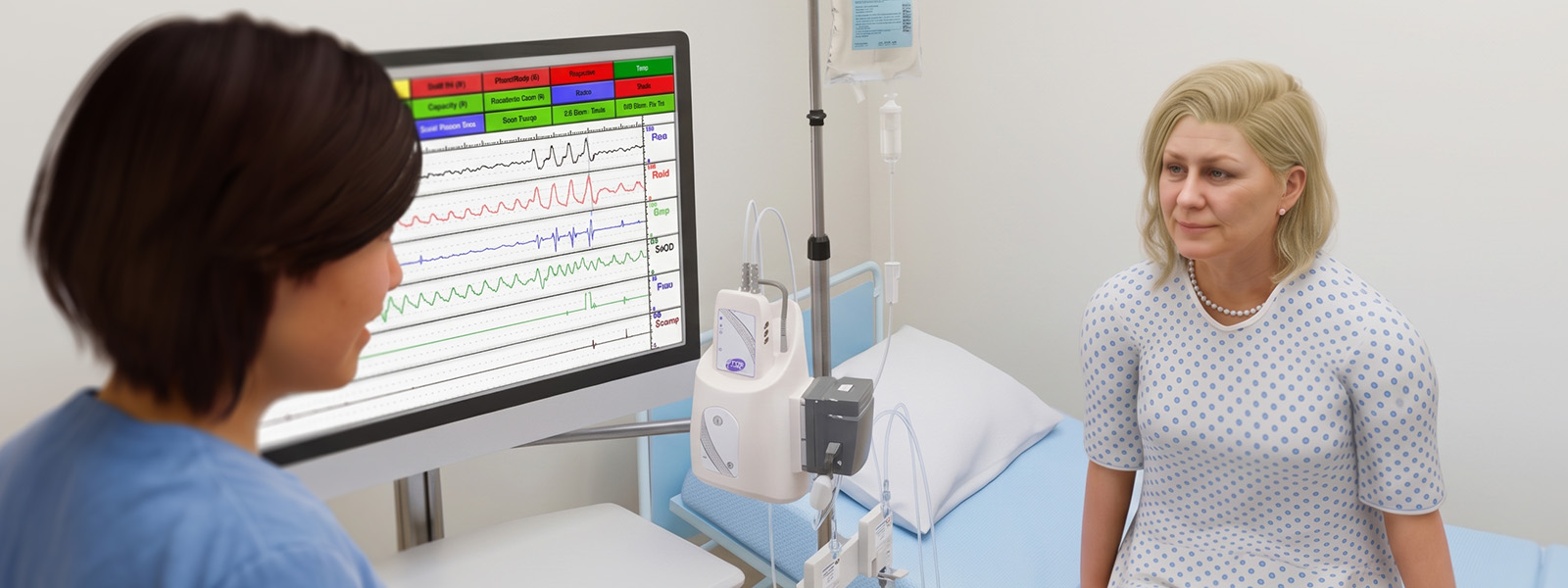
Waxeye partnered with Dr Eva Fong and a team of leading clinicians to build a mixed reality training experience for urodynamics, one of urology’s more complex diagnostic procedures.

Urodynamics testing supports clinical assessment of bladder and urethral function, and accuracy in how the test is performed matters greatly for patient outcomes. Training has traditionally been built through direct clinical exposure and mentorship. A structured, immersive resource complements that pathway, giving practitioners more opportunities to build and maintain their skills between real-world cases.
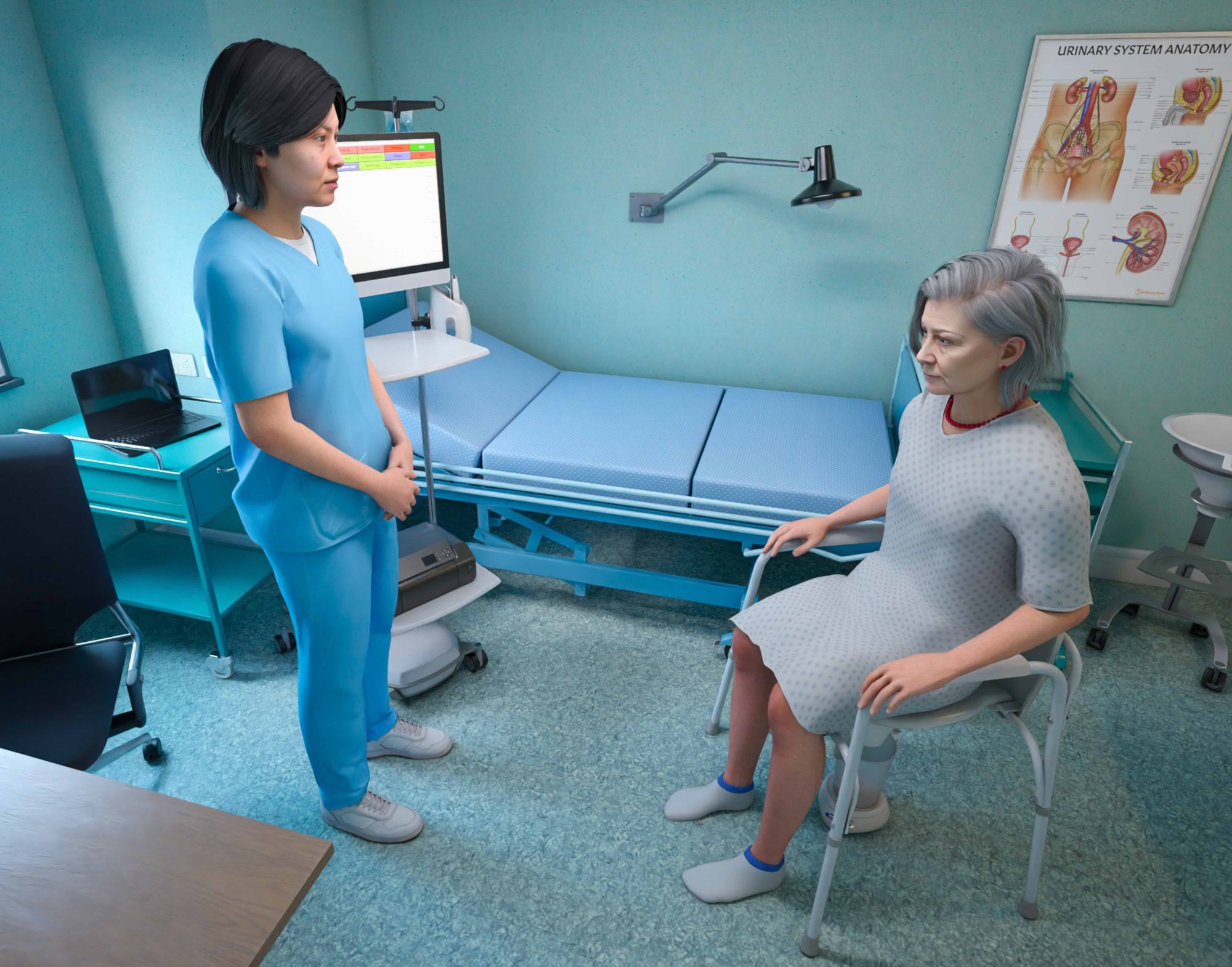
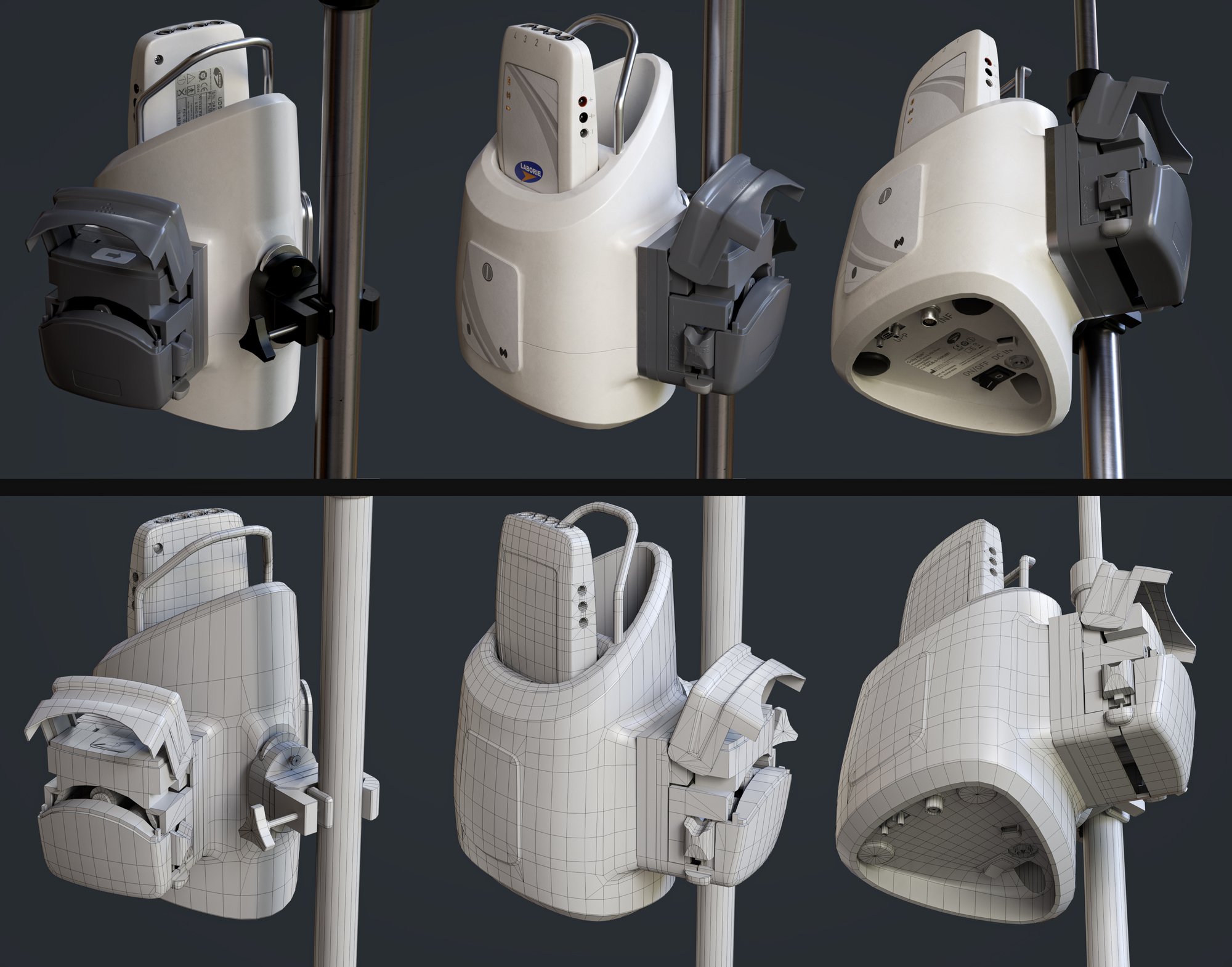
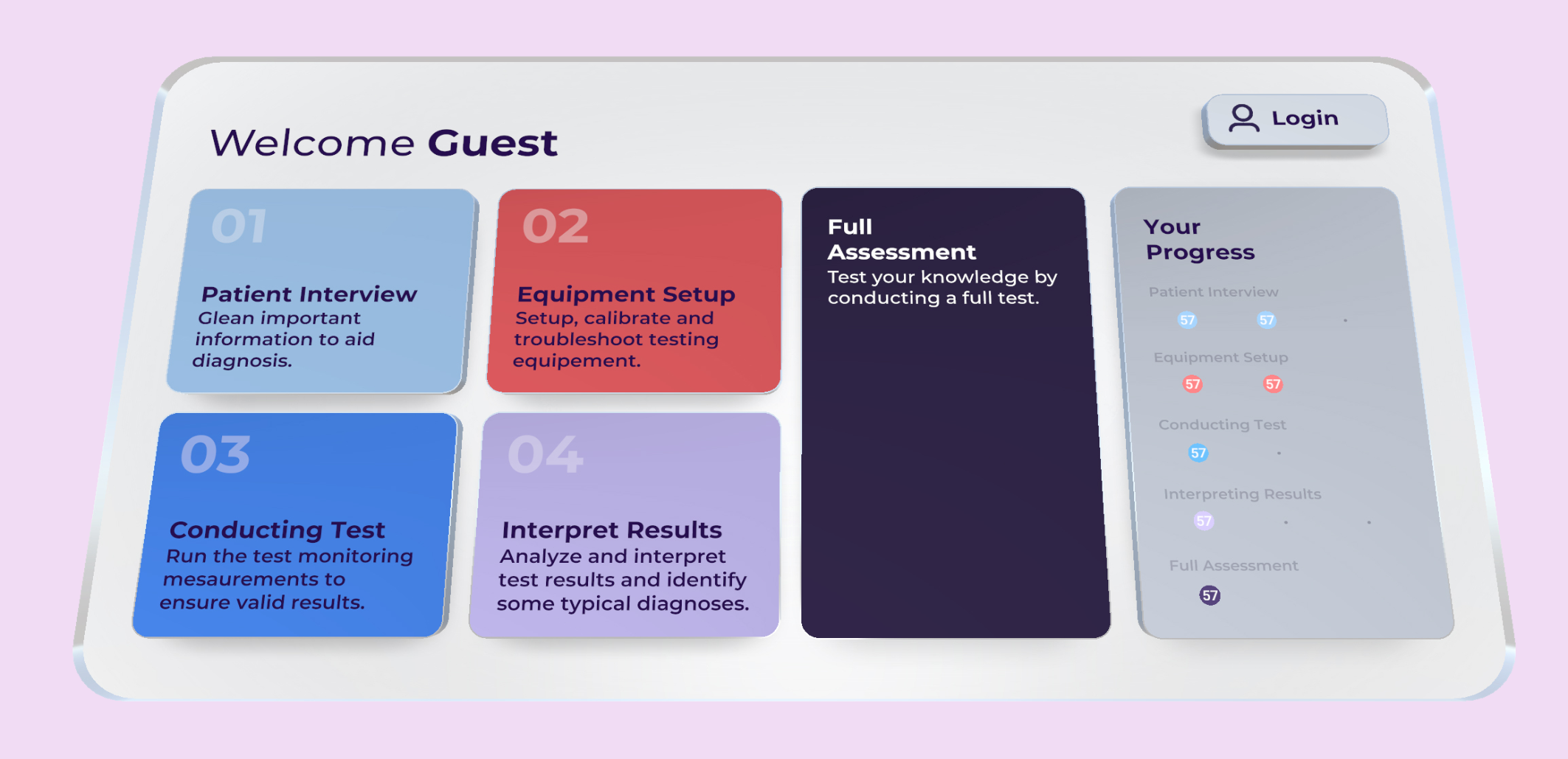
Rather than a single simulation, we built the experience around four core skill modules: patient interview, equipment setup, conducting the test, and interpreting results. Each module follows a Learn, Practice, Test loop, capped by a Full Assessment that brings everything together with a randomised patient. Learners work through the whole workflow, from first conversation to final diagnosis, at their own pace.
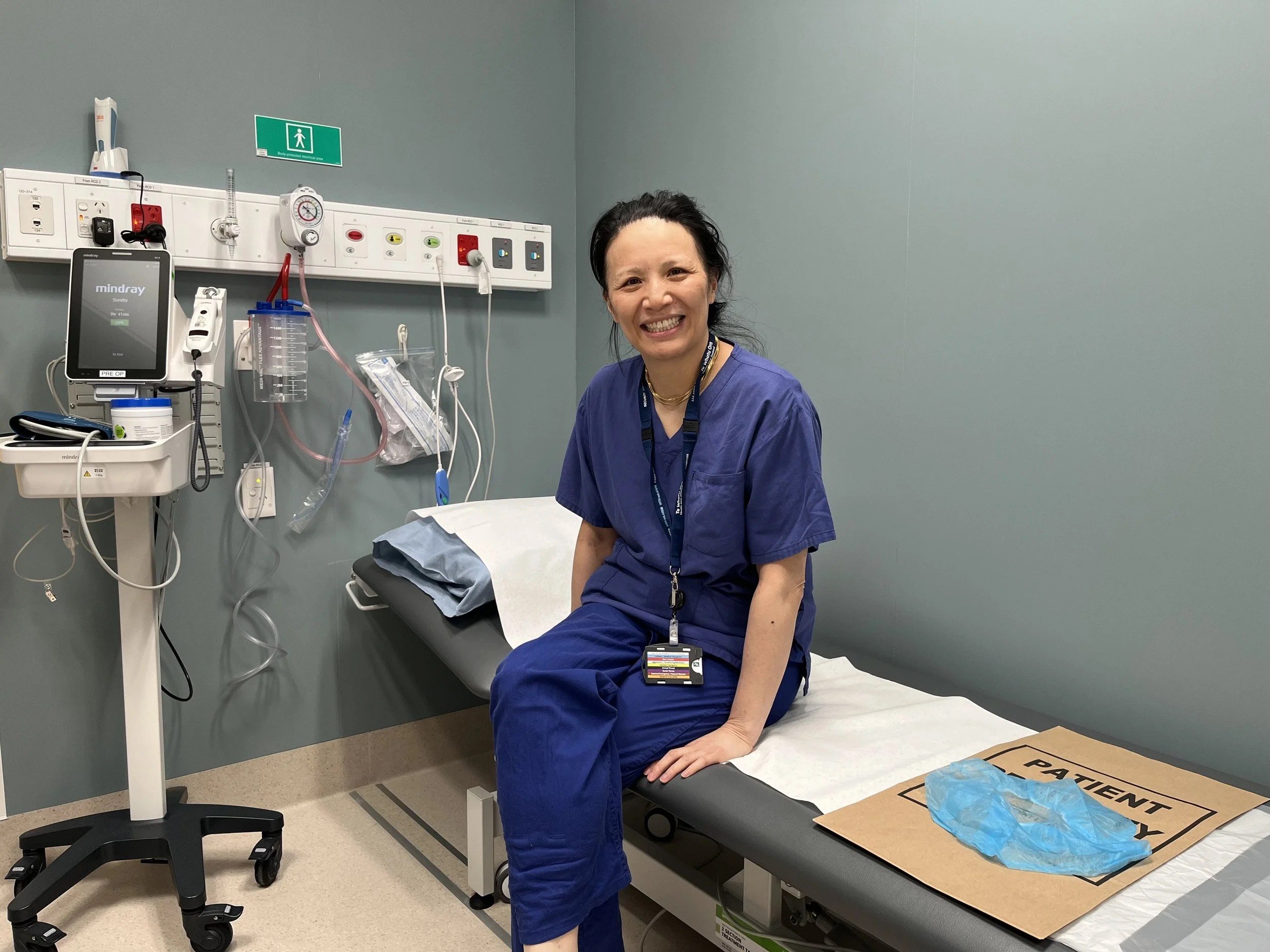
Every scenario, every avatar, every learning point was developed with the Medical Advisory Team led by Dr Eva Fong, alongside Jean Bothwell, Dr Hazel Ecclestone, and Dr Vincent Tse. Nothing generic, nothing invented. Specialist knowledge that would otherwise take years of direct clinical exposure to acquire is captured, encoded, and ready to be rehearsed.
The Patient Interview module is being designed around voice interaction with AI-driven patient avatars, currently in development. When complete, learners will genuinely have to ask, listen, and adapt, drawing out each patient’s backstory and symptoms through good questioning technique.
Every session generates data. Individual progress, cohort competency, and common error points are all captured, giving practitioners a clear view of how they’re tracking and administrators a population-level picture of engagement and skill development. That turns the experience from a simulation into a training programme that can measure and demonstrate its impact over time.
The experience runs on Meta VR headsets that can be dispatched to hospitals or, via a postal loan model, to individual practitioners wherever they are. No travel to a specialist course, no scheduling around clinical rosters, no waiting for the next teaching case. The whole kit ships in a hard case, ready to run straight from the box.
Made possible through the generous support of the Hugo Charitable Trust, with additional support from the Well Foundation, the programme is now entering its operational pilot phase, with a view to wider deployment across New Zealand and, over time, international reach.